
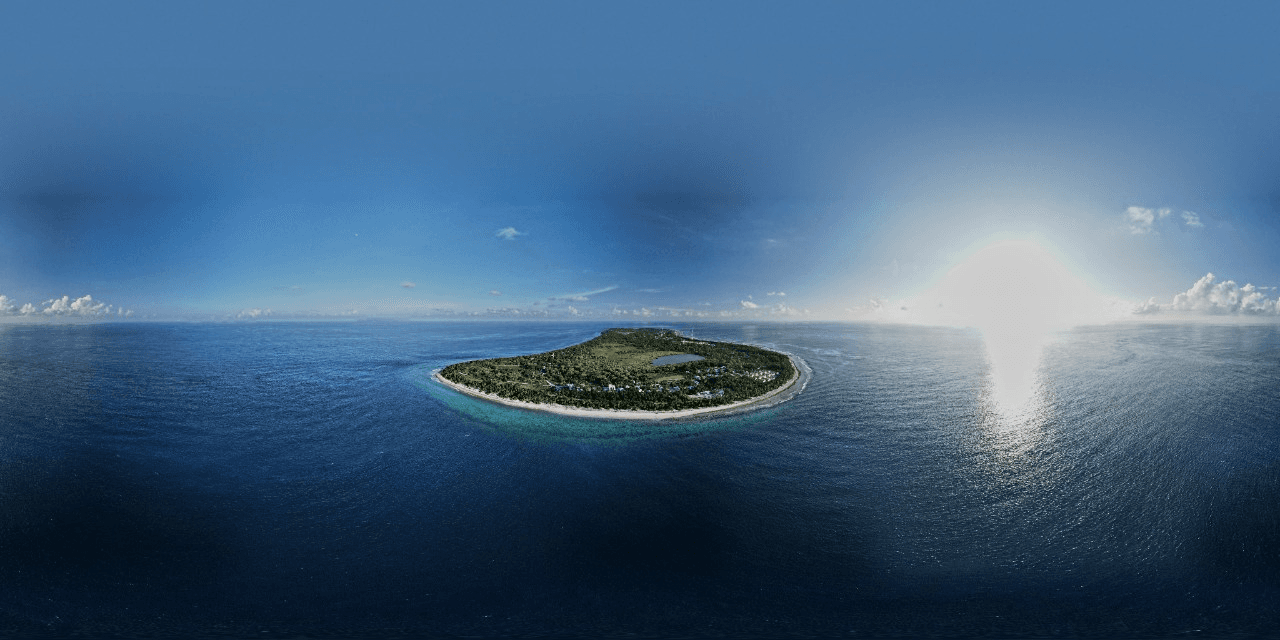
FUVAHMULAH
MALDIVES SINGLE ISLAND ATOLL
FUVAHMULAH - MALDIVES LOCAL ISLAND
Fuvahmulah takes its name after the areca nut palm, Fuvah, in the local Dhivehi language. Located in the southern region of Maldives, Fuvahmulah has a population of roughly 13,000 inhabitants and is often described as one of the most beautiful Maldivian islands.
The island is divided into 8 municipal districts with its main economic revenue being tourism, fishing and agriculture. Fuvahmulah boasts lush vegetation comprising of coconut palms, Malabar plums, taro fields, and an abundant growth of mango trees.
Fuvahmulah started gaining interest of tourists as a shark diving destination around 2017. Tourism is relatively new in Fuvahmulah compared to other islands in the Maldives. As such, the island still possesses the charm and warmth of the local community with some local customs still being practiced.
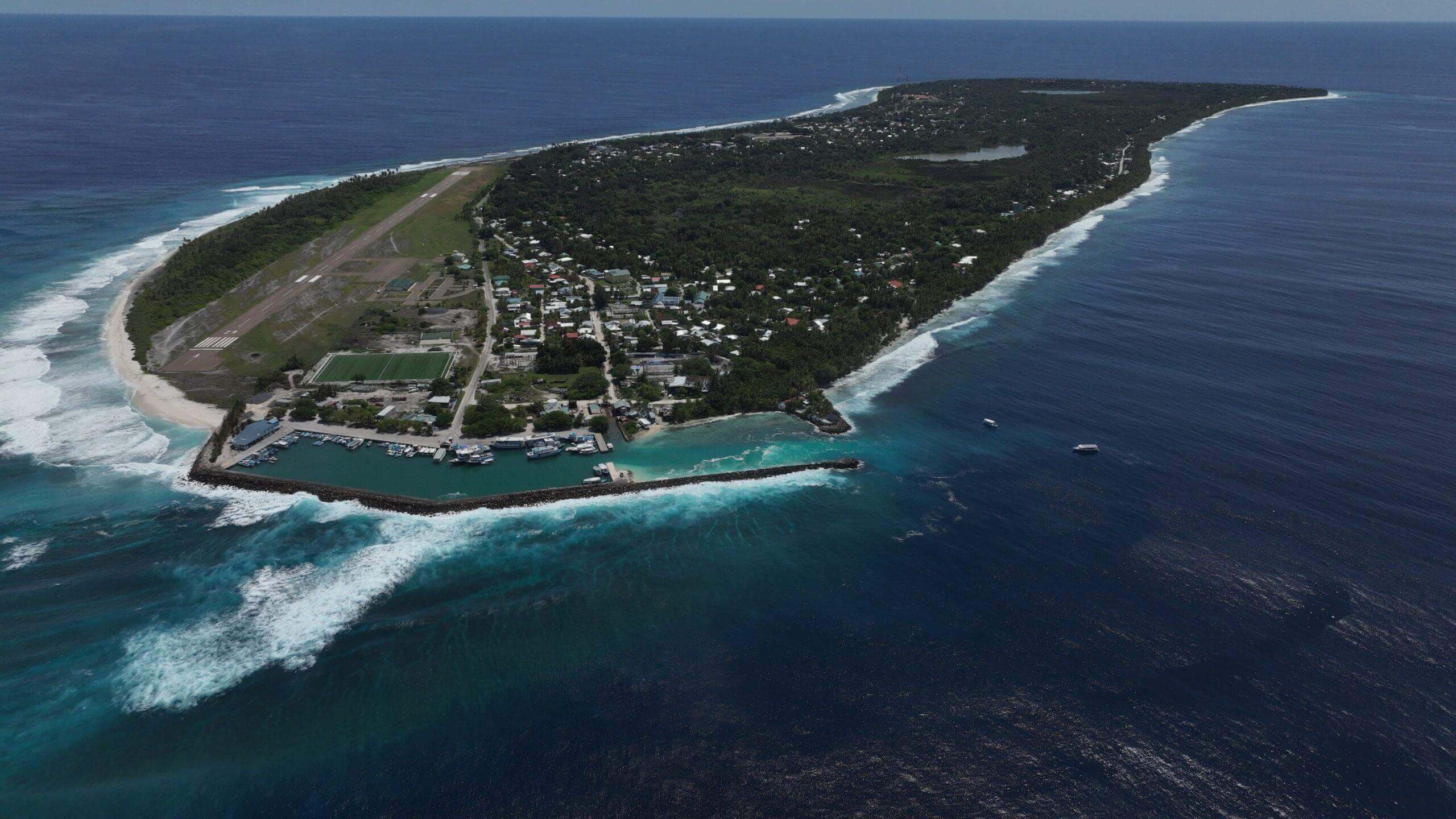
The History of Fuvahmulah
Fuvahmulah is an island that whispers stories of ancient civilizations, long before it became a modern diving mecca. Unlike the rest of the Maldives, which transitioned to Islam in the 12th century, Fuvahmulah’s isolation allowed it to retain its Buddhist roots much longer. Today, history enthusiasts can visit the Havitta, the remains of a pre-Islamic Buddhist stupa located at the island's northeastern tip. While nature has reclaimed much of the structure, it remains a powerful symbol of the island's early spiritual life.
This heritage is also reflected in the Gemmiskiy, the oldest mosque on the island. Built around 1300 AD from intricately carved coral stone, it stands on the site of an ancient temple, serving as a living bridge between the island’s Buddhist past and its Islamic present. The island even boasts its own distinct dialect, Fuvahmulaki baha, which is linguistically closer to the archaic languages of the southern atolls than to the standard Dhivehi spoken in Malé.
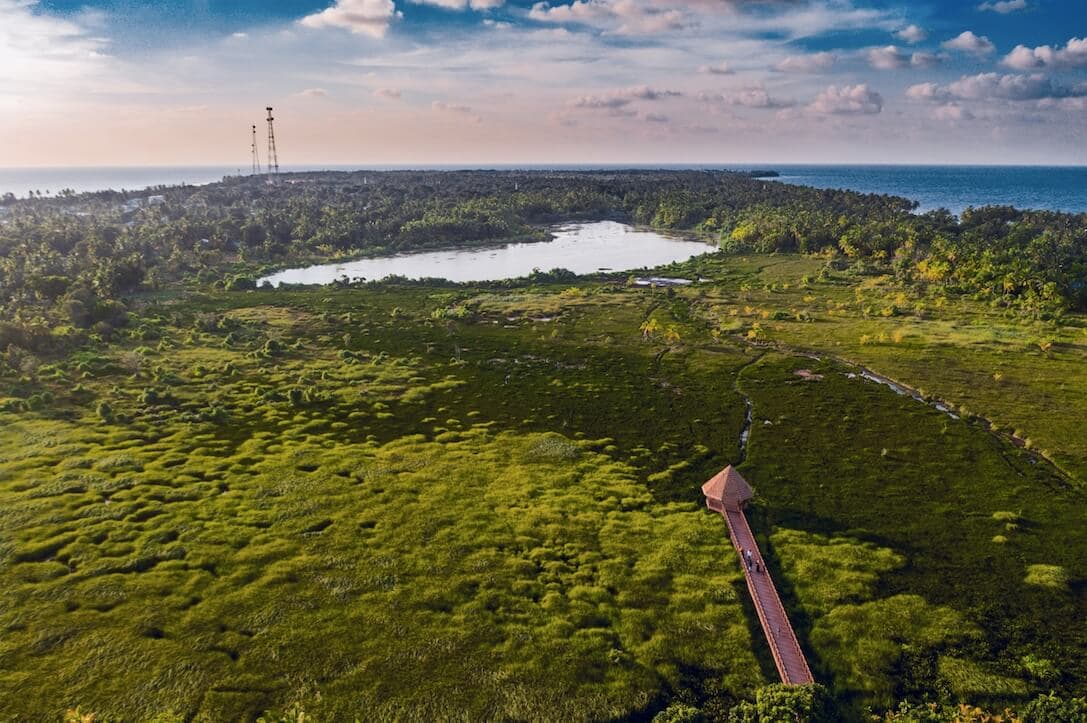
A Geographical Oasis: The Island of Lake
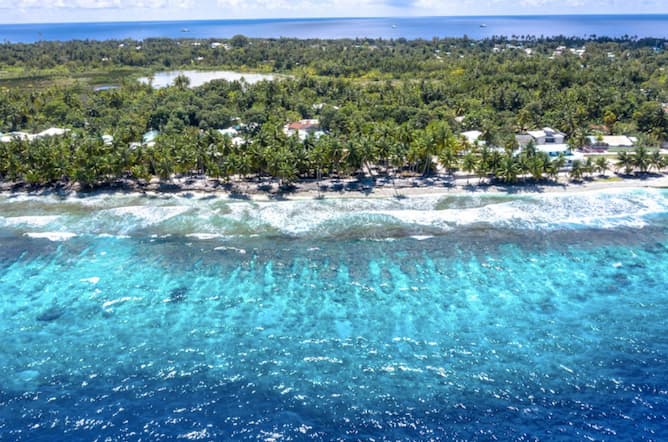
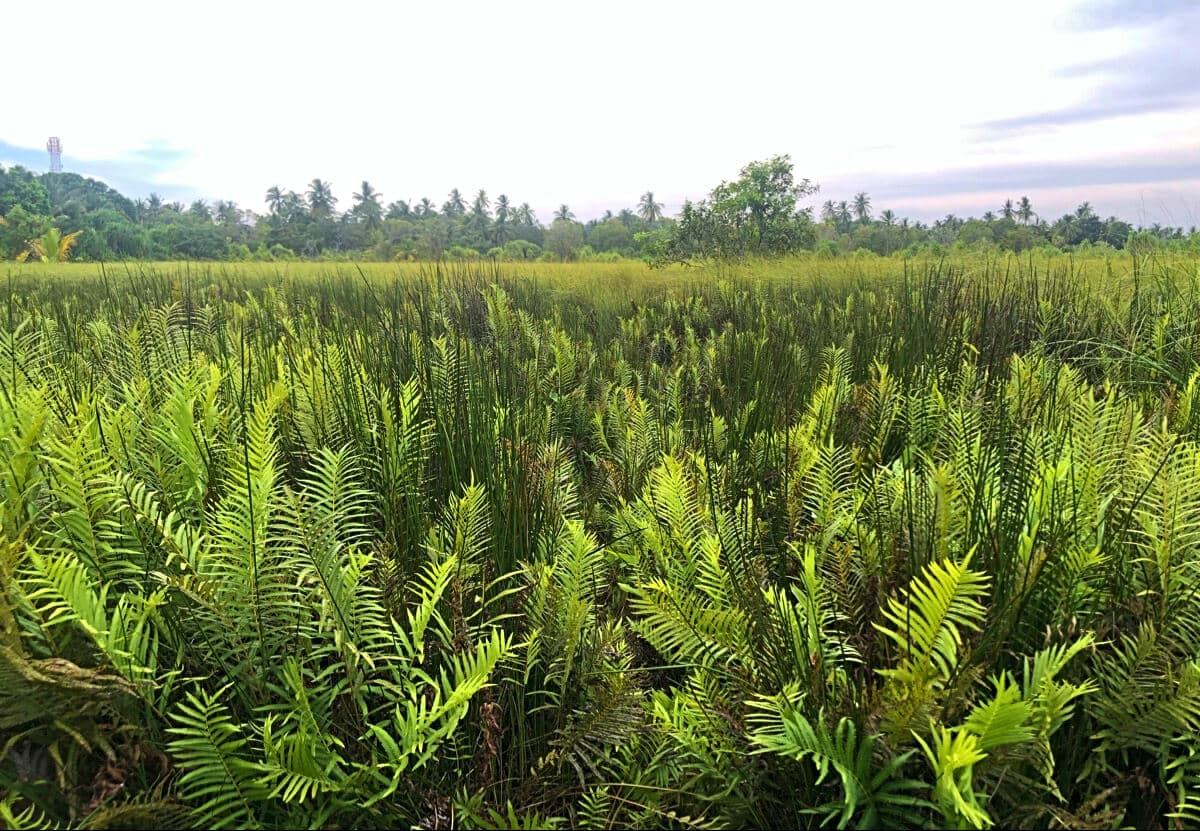
This unique formation creates a "bowl" effect, where the center of the island sits lower than the shoreline. Within this lush interior lie two magnificent freshwater lakes: Bandaara Kilhi and Dhadimagi Kilhi. These lakes are surrounded by vibrant wetlands and taro fields, creating a prehistoric, jungle-like atmosphere that feels worlds away from the typical beach scenery.
On the northern tip of the island lies the Thoondu, a world-famous beach composed of smooth, white pebbles rather than sand. During certain seasons, the shifting tides create Bissaaveli, natural rock pools that appear on the shore, offering a magical spot for a refreshing dip.
How to Get to Fuvahmulah
Reaching this equatorial paradise is a scenic adventure in itself. Located approximately 500 kilometers south of Malé, the most efficient way to arrive is via a domestic flight from Velana International Airport (MLE). The 85-minute flight takes you directly over the stunning tapestry of the Maldivian atolls, crossing the equator before landing at Fuvahmulah Airport (FVM).
Alternatively, travelers can fly into Gan International Airport in the southernmost Addu Atoll and take a one-hour speedboat ferry across the deep channel. Maldivian Aero, the national carrier, has recently launched inter atoll flights between Addu, Fuvahmulah and Huvadhoo. Taking one of these flights from Gan International Airport to Fuvahmulah is another option for travelers to opt for.
At Pelagic Divers Fuvahmulah, we understand that travel logistics can be complex, so we offer full assistance in coordinating your domestic transfers to ensure your transition from the international terminal to our island home is seamless and stress-free.
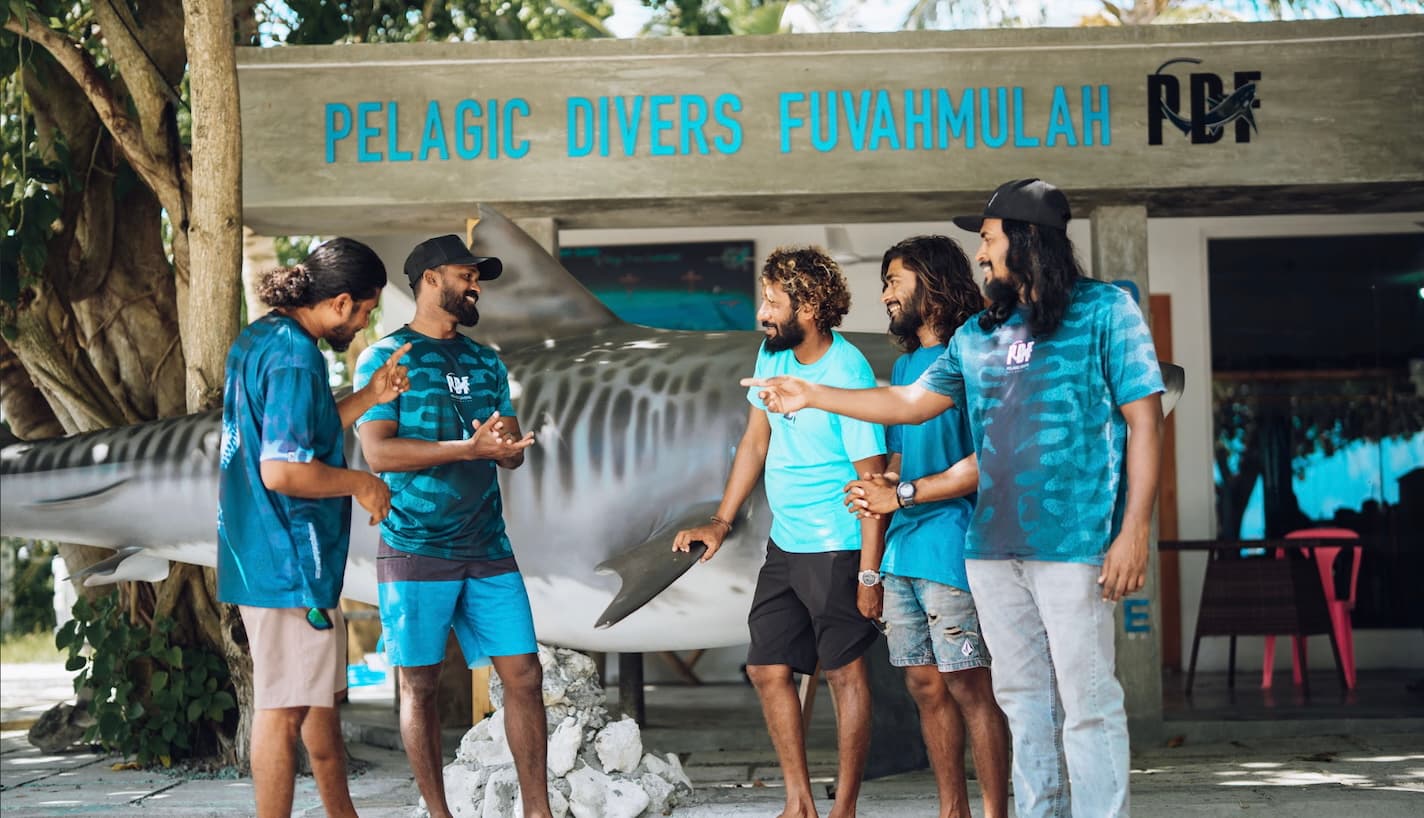
PELAGIC DIVERS FUVAHMULAH
DIVE WITH LOCALS, DIVE SAFE, DIVE WITH PURPOSE
Diving with Pelagic Divers Fuvahmulah
Fuvahmulah is globally recognized as one of the best spots on Earth for big-animal encounters, and Pelagic Divers Fuvahmulah is your premier partner for exploring these depths. Because the island drops off into the open ocean almost immediately, we have a unique year-round presence of "The Big Five." We are most famous for our tiger shark dives where sightings are virtually guaranteed and are conducted right outside of the harbour. Beyond the tiger sharks, our guests frequently encounter thresher sharks, scalloped hammerheads, oceanic mantas, and whale sharks.
For those who prefer a more minimalist approach, we offer freediving and snorkeling with the sharks. Whether you are a seasoned freediver or a beginner looking to take your first breath-hold dive, our expert guides ensure every underwater moment is safe, sustainable, and awe-inspiring.
The Best Restaurants in Fuvahmulah
The culinary scene in Fuvahmulah is a delightful blend of traditional island flavors and modern café culture. Because of the island’s fertile soil and deep-sea fishing access, the food here is incredibly fresh.
A "must-try" local delicacy is Kattelhi (snake mackerel), usually served with fresh taro and coconut—a dish unique to our island. For a great post-dive meal, Oivaali Cafe and Pirates of the Maldivian are two restaurants located at the harbour and offer a diverse menu.
If you’re looking for a tranquil setting, Moodige is nestled near the wetlands and is the perfect spot for traditional Maldivian "short eats" and tea. For a casual evening, head to the Baaba Gaadiya food truck for fresh grilled fish, or visit Café Eden, Green Grove, Oregano or Cool Banana for a more refined garden dining experience.
To truly eat like a local, we can arrange for you to have dinner at a local home where you can taste authentic recipes passed down through generations, or a local restaurant such as our favorite, Roosia.
Other Activities to Do
Fuvahmulah Nature Park
EXPLORE LOCAL ISLAND LIFE
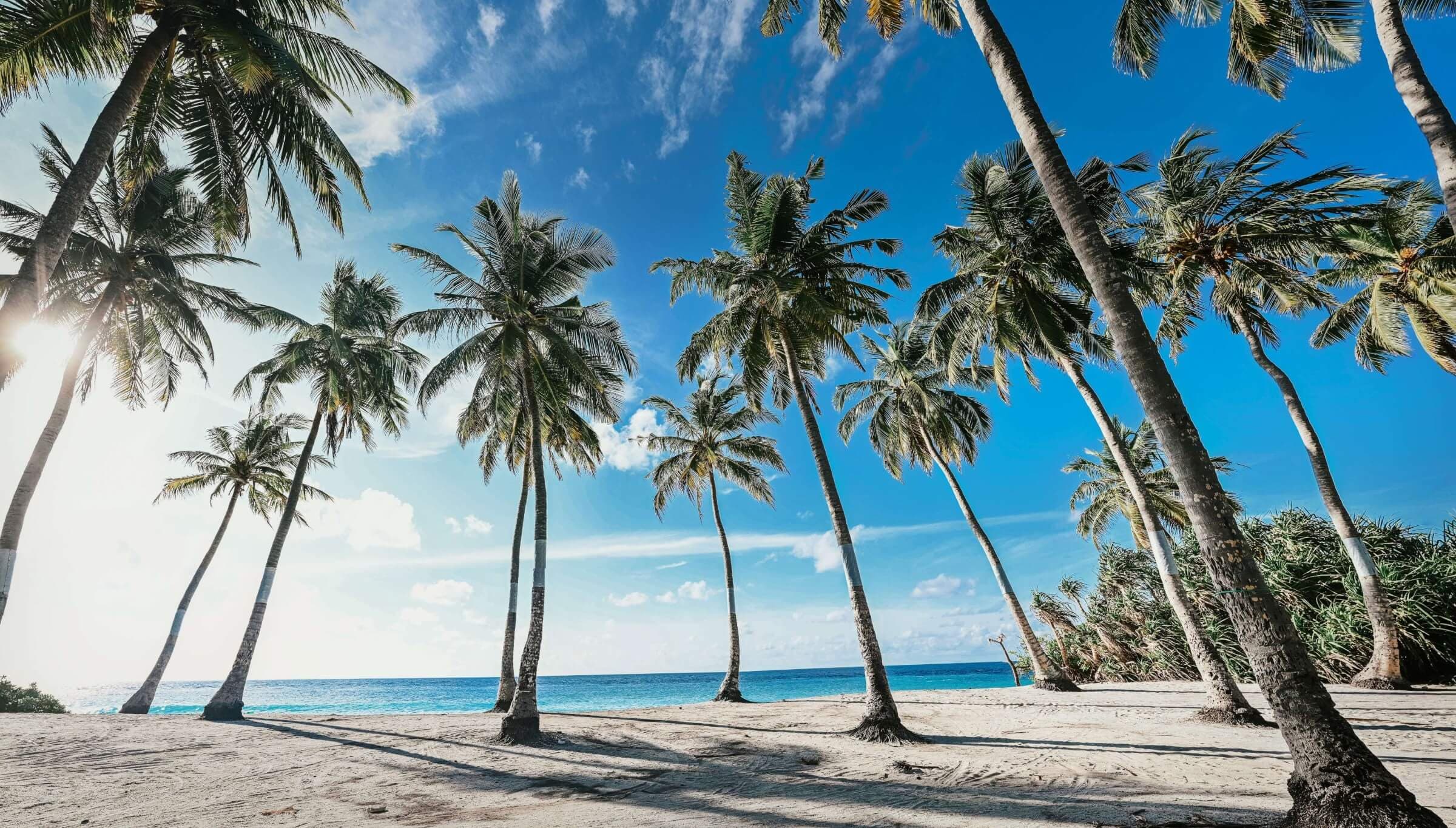
Whether it's cycling through the mango groves, visiting the local market to see the taro harvest, or simply exploring the quiet backroads on a scooter, Fuvahmulah offers a sense of discovery that stays with you long after you leave.